The Journal
〰️
The Journal 〰️
Spring/Summer 2026 | Vol. 5 / Issue 1
THE AI ISSUE
Editor’s Note

Eriko Hattori
Editor-in-Chief
Design + Communications Lead
It’s difficult to process AI’s accelerated growth over the past few years. Back in 2022, AI was starting to pop up across the internet as a clunky image generator. Users could enter a random string of descriptors and get back a grid of mutant renditions, generated by some sort of engine. Type in “Rudy Giuliani eating salad in a Port-A-Potty” and boom, you’d get a set of nine images of him inside a portable commode, eating greens.
But not really. They were all abstract smears that could look like what you wanted if you squinted hard, but at the end of the day it was clumsy in its attempt to do what you asked. Four years later tech platforms have integrated AI into every aspect of their software, people are fostering romantic bonds with ChatGPT, and an AI version of Val Kilmer, who died a year ago, is set to co-star in a film that he signed on to do before his death. AI is definitely here, and it wields (and uses) an alarming amount of power.
Meanwhile, artists and creators are forced to advocate for themselves and protect their work as AI notoriously copies aesthetics, threatening to take jobs and opportunities away from living creators. Year after year on Instagram, statements about AI or protecting work from AI are being made by artists, illustrators, and designers. It makes sense to feel some vigilance, especially after OpenAI’s chief technology officer Mira Murati said in an interview that the creative jobs destroyed by her company’s product maybe “shouldn’t have been there in the first place.”
When new technologies are normalized, it’s easy to feel a mix of resistance to their potential negative impacts as well as worry about what could happen if you don’t get on board. The fear of being left behind is palpable, and the evolution of technology can stir that feeling up as it continues to rapidly advance. In this issue, I wanted to focus on AI because of its sudden ubiquity. I can’t go a day without hearing about it—whether it be a new development or a steady lament. What do artists and arts workers think of AI? Are they embracing it, rejecting it, or not sure what to do? How do we keep analog practices like physical print media alive as technology threatens to make it obsolete?
These are the questions we attempt to answer in this new issue of The Journal. When I initially had the idea for an AI issue, I thought it was going to be easy to put together. However, I found myself struggling, wondering if I should try and balance out how critical I feel toward AI with some more positive outlooks. For now, my hope lies in artists whose hand remains in their work, creators who make work examining our relationship to technology, and thinkers who want to challenge the ever-changing status quo. Scroll down to check it out.
Table of Contents
Table of Contents
Slight of Hand
Eriko Hattori spotlights a selection of artists who keep their hand prominent in the work.
Meet Lucia
Eriko Hattori interviews interdisciplinary artist Lucia Riffel about their artistic practice and what projects they have coming up next.
Picture a World
Cassandra Masters, Associate Director at Age-Friendly Greater Pittsburgh, reflects on Picture This and the importance of intergenerational relationships as technology continues to advance.
(Mis)Anthropic
Artist and writer Brent Nakamoto ruminates on AI in the arts, our collective response to its ubiquity, and how we can handle the way we react to changes.
Client Testimonial
Cassandra Masters, Project Manager at Age-Friendly PGH, weighs in on her experience working with TASC for the Picture This campaign.
AI in the Arts
Two community stakeholders weigh in on AI use in the arts and how to move forward with its mass integration.
Slight of Hand
By Eriko Hattori
“Was this made by a person or AI?”
I ask myself this question a lot. Scrolling through social media channels, looking at posters for events, receiving messages from unknown senders—if I spend any time at all on the internet (which we all do), I’m bound to run across something that’s been churned out by a data center. AI’s ubiquity has increased significantly, and perceiving the difference between human and machine feels like it’s getting harder each day.
In 2024, a local public pool published a graphic that was made for a Pride event. The flier is pretty innocuous at first glance: a lively celebration full of people in swimwear, surrounded by unicorn floaties and rainbow decorations. On closer inspection, however, things are noticeably off. Limbs are sprouting out of other limbs, human figures are fused with beach balls and other aquatic paraphernalia. The harder you look, the more the image unravels before your eyes.
The Art Supply Co. is a big fan of art made by people. Since our beginnings, we’ve made it our commitment to connect clients and businesses with art made by living artists. By “living” we initially meant artists who are working today (and not a dead man from the annals of art history). Now, we’ve expanded that definition to signify artists who are human beings, using their hands and minds to make something.
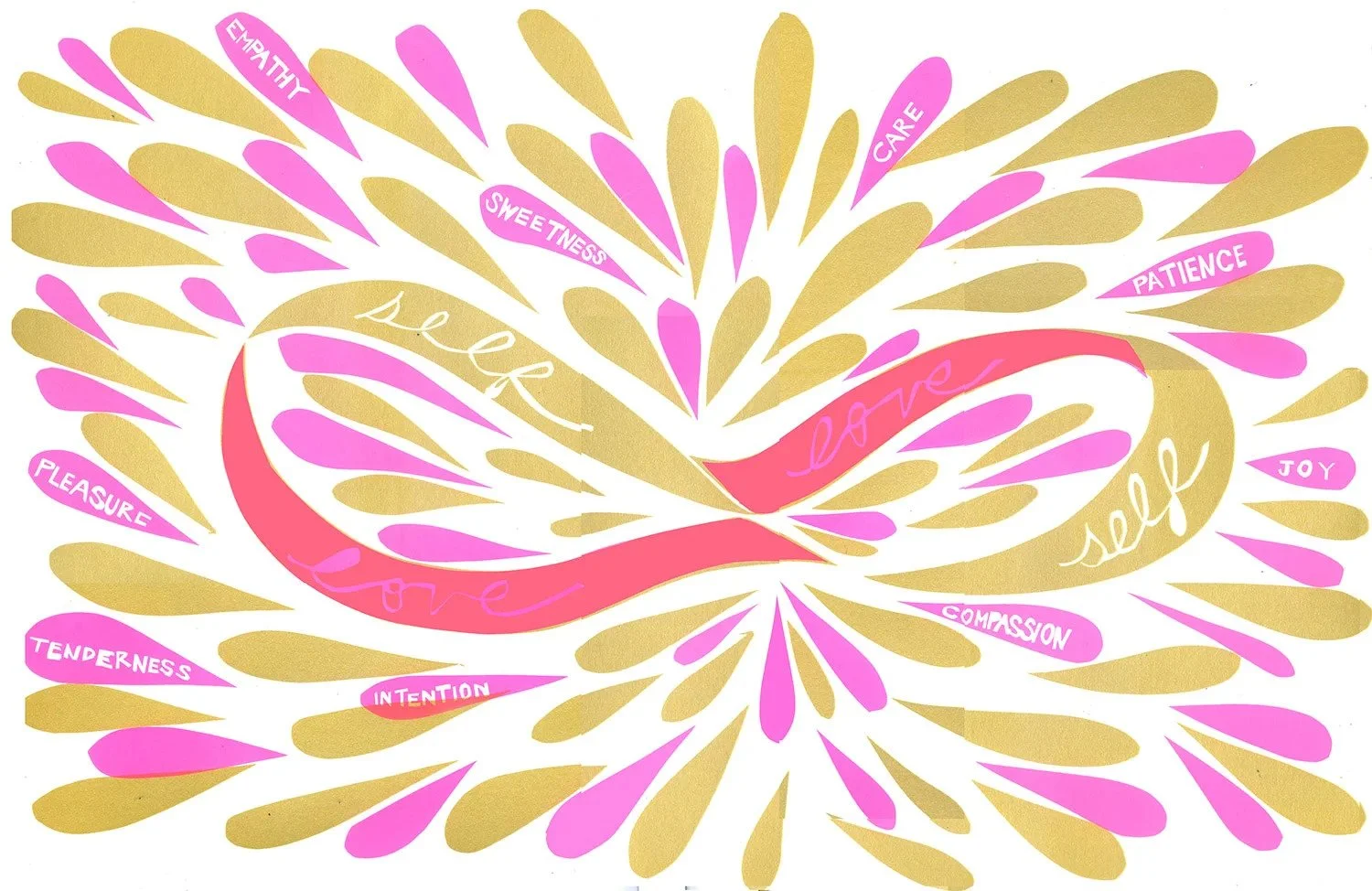
As AI’s meteoric rise continues, we wanted to take a minute to celebrate art that exists in the physical world. These are tactile pieces where the artists’ hand is present in the work, revealing the care, thought, and handiwork that goes into a human-made piece of art. Check out these four artists who’ve made their mark on us.
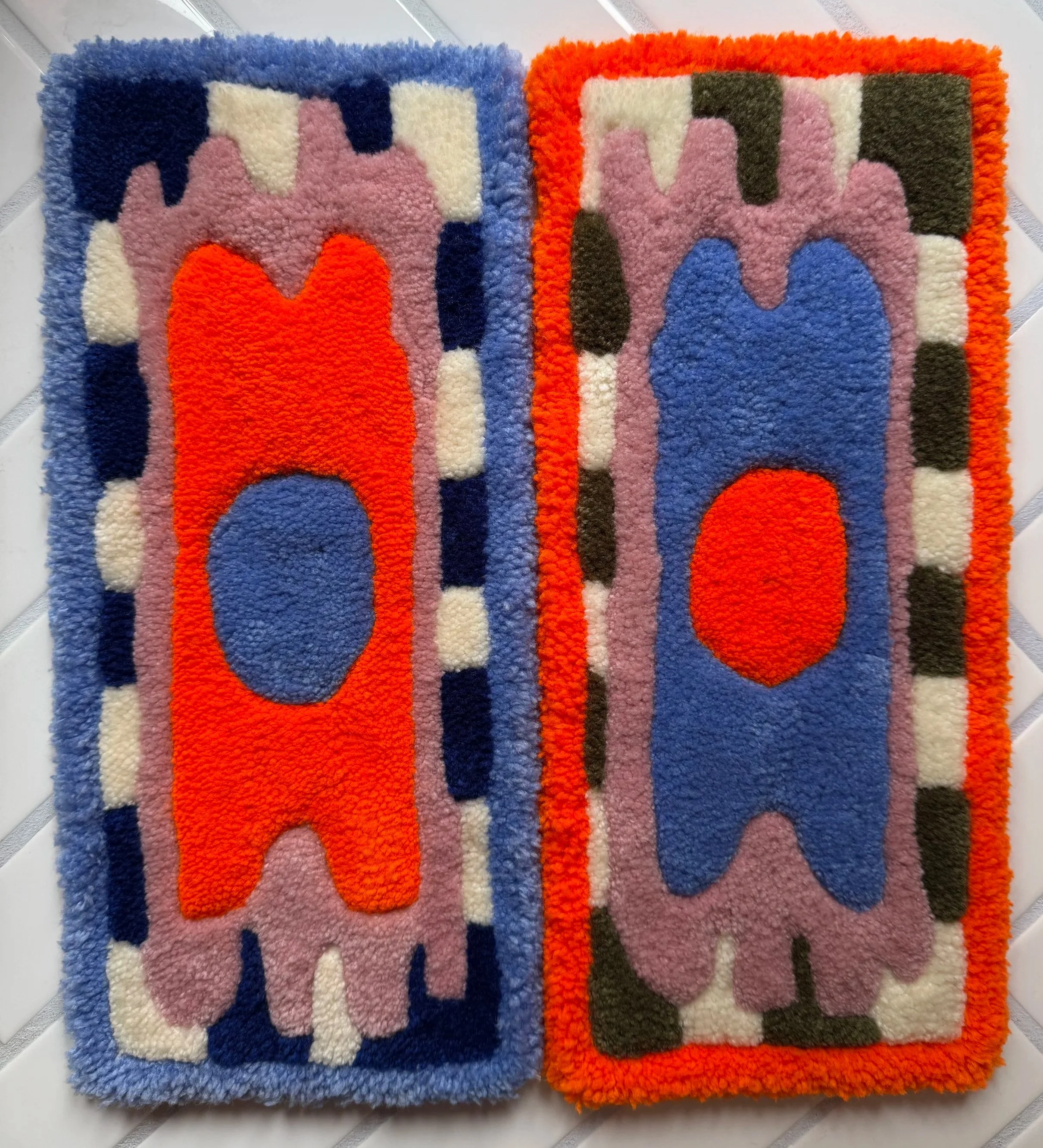
atiya jones
over/whelm and over/come, 2026.
Acrylic hand tufted miniature rugs. 14” x 6”.
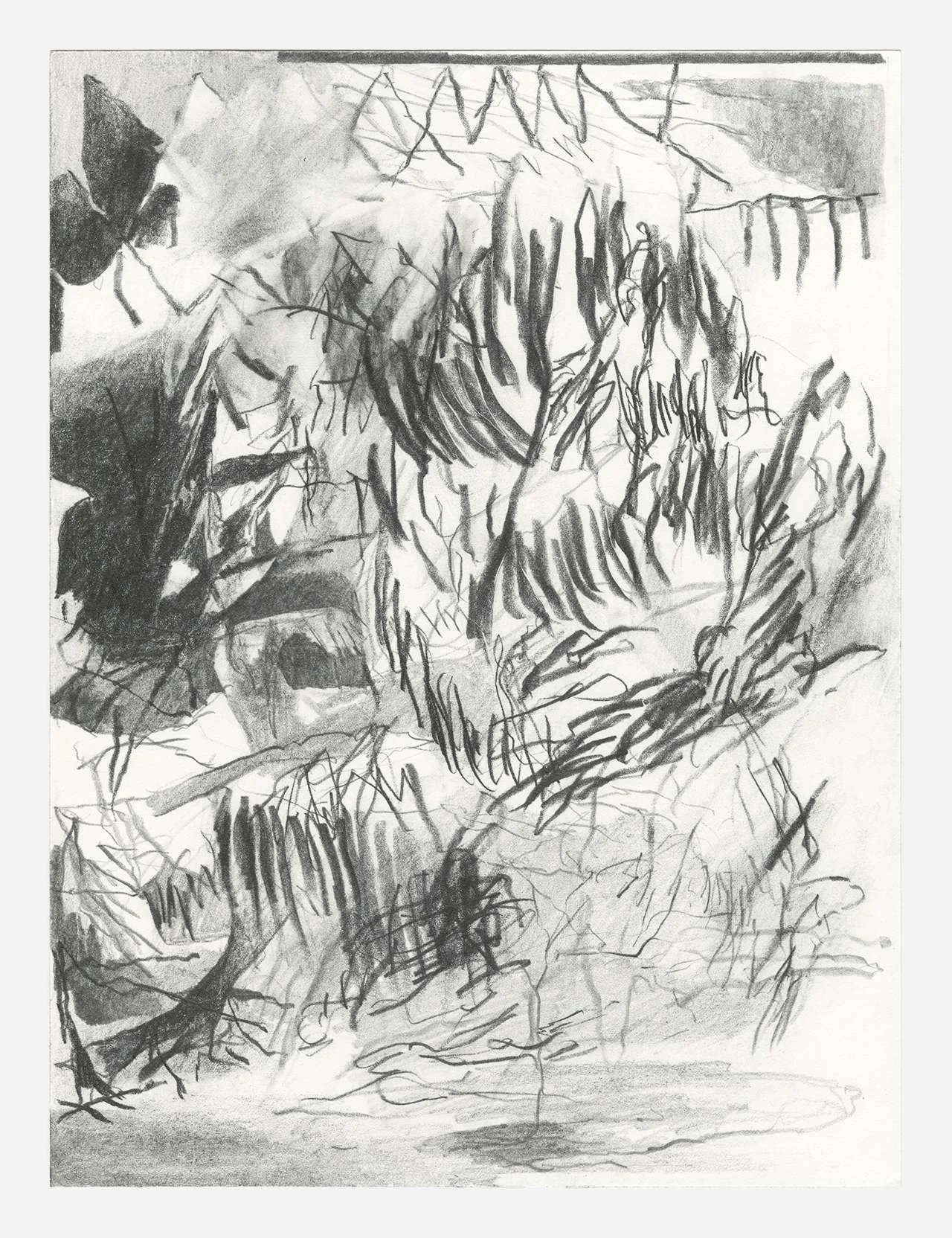
Paul Peng
Can You Hold Me? 2023.
Graphite on paper.
9”x12”.
Mary Tremonte
Self Love Love Self, 2016.
Silkscreen print.
19 x 12.5".
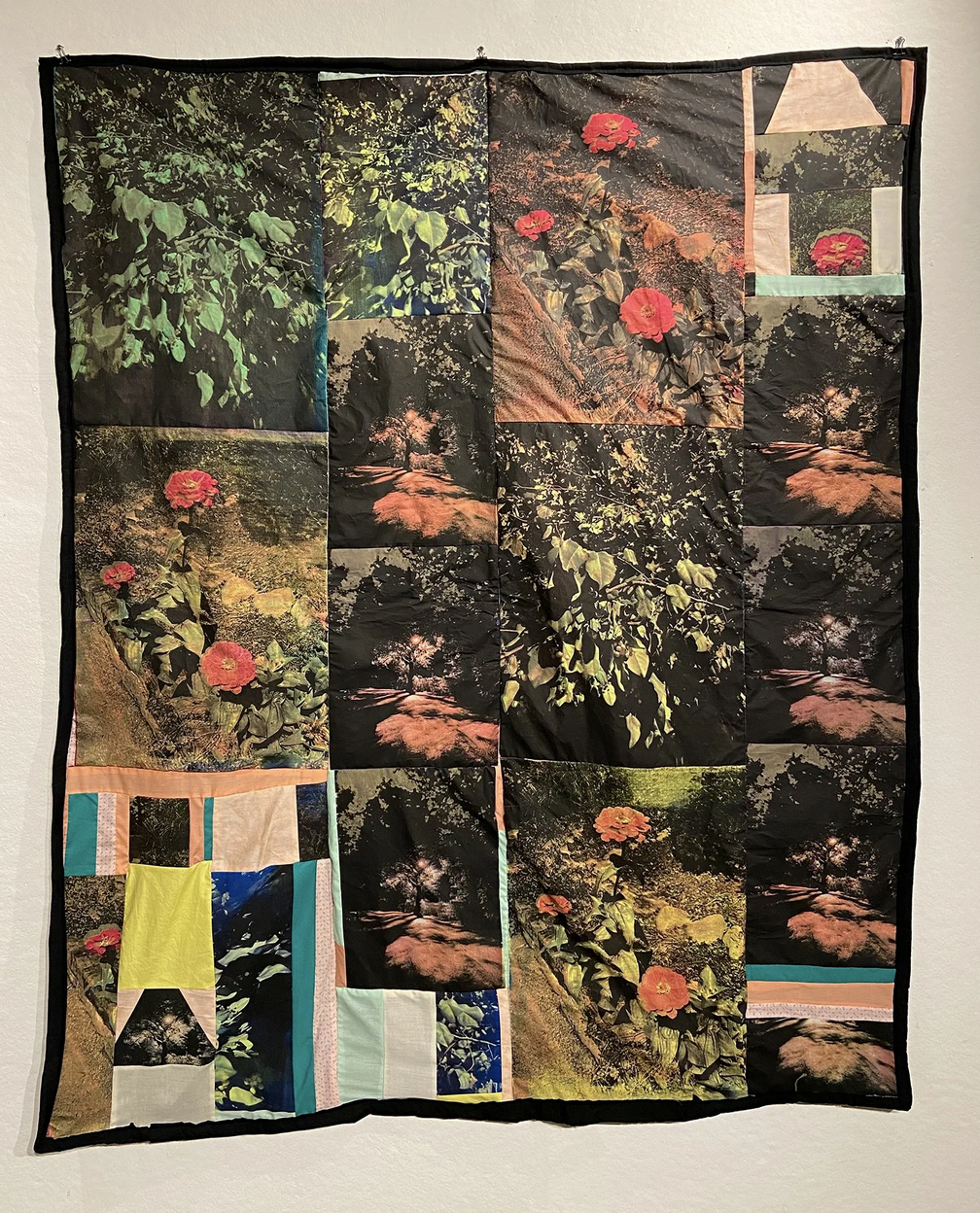
Fío Avocado
Please Let Me Walk Alone At Night, 2020.
CMYK Screenprinted Quilt.
5’x7’.
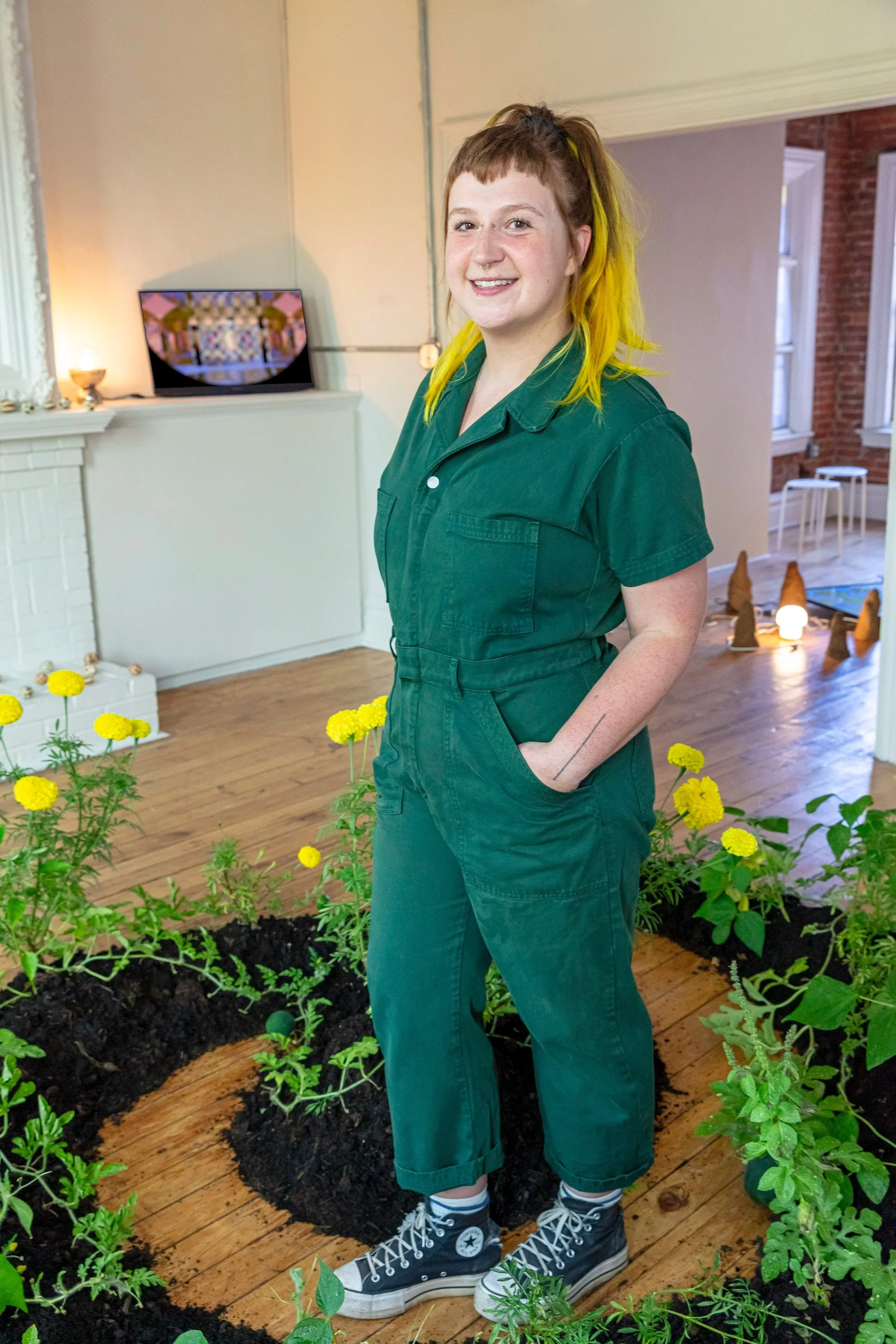
Meet Lucia Riffel
TASC included Lucia’s work in a special curatorial project we did for Workscape during their International Women’s Day celebration in 2025.
For our AI issue, it felt poignant to learn about Lucia Riffel’s practice as we deepen the levels of technological anxiety we’re inviting into our lives with AI’s ubiquitous integration. Get to know Lucia, learn about their artistic process, and see what they have coming up next.
Picture a World
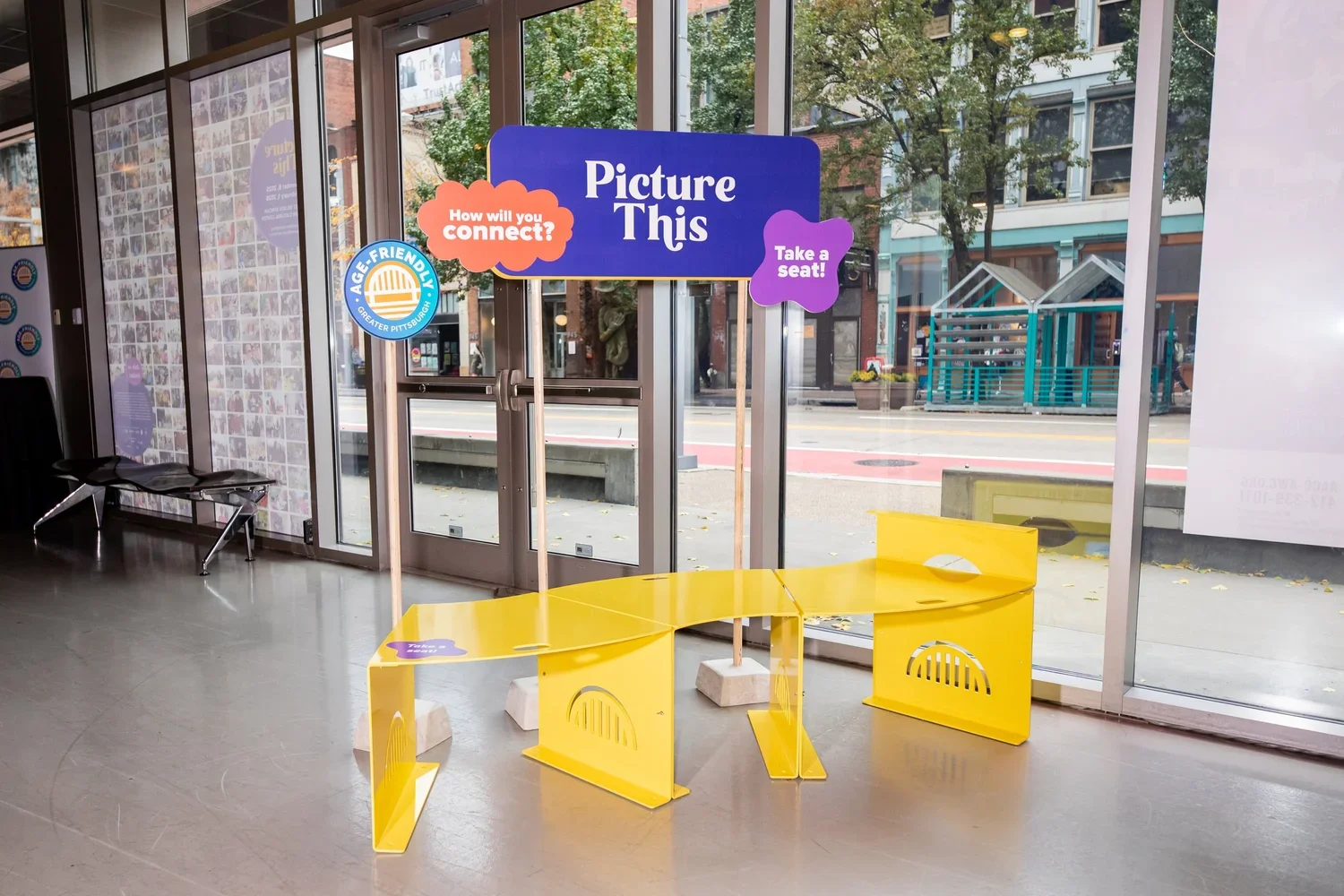
By Cassandra Masters
Picture This: A neighborhood where generations don’t just coexist, they connect. Go ahead. Say hello. See where it takes you.
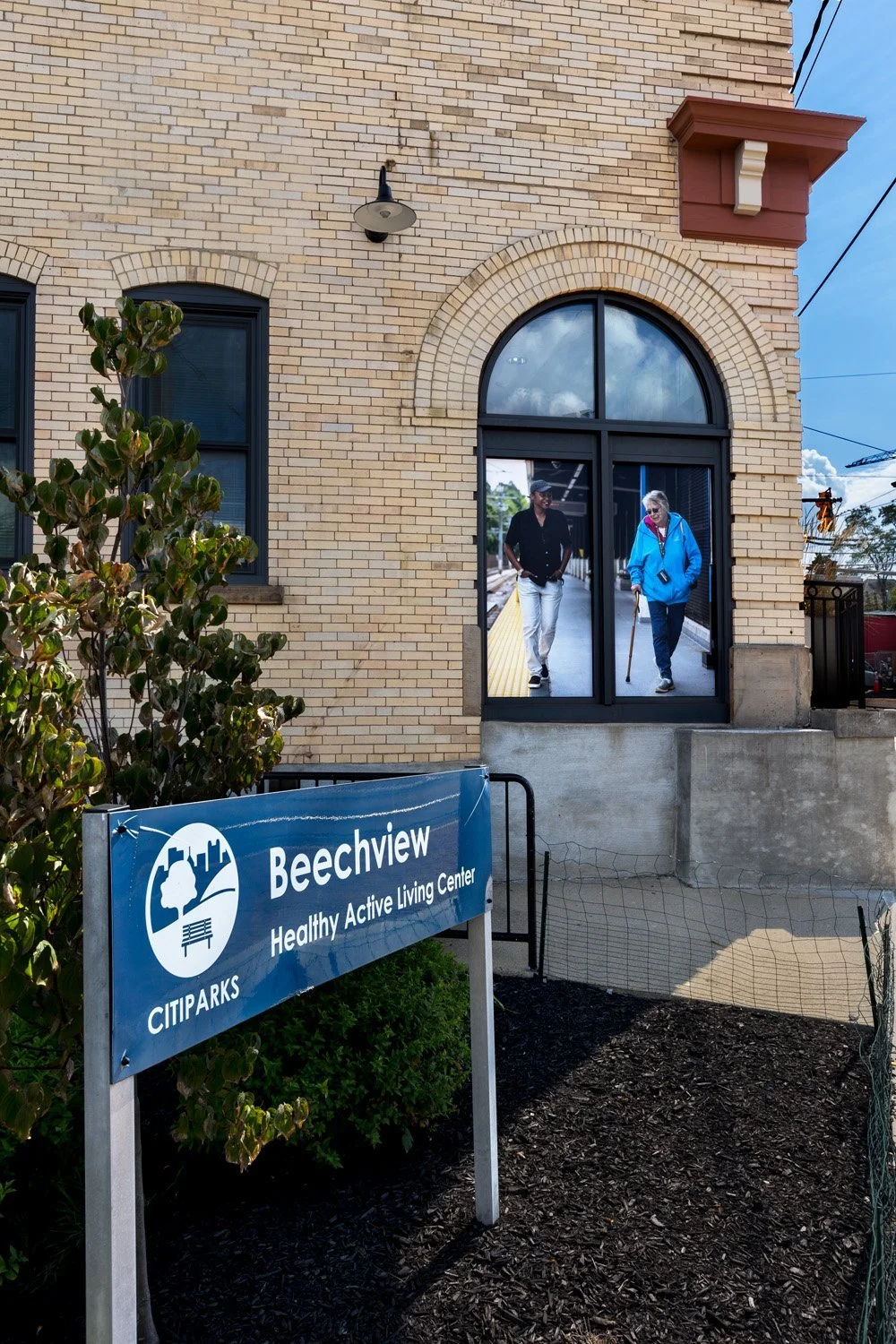
In 2025, Age-Friendly Greater Pittsburgh partnered with several local organizations to create and install photo activations throughout the region that infuse vibrant photography and artistic elements with meaningful opportunities for reflection with one another. In a time of growing isolation, polarization, and digitalization, Picture This offers an opportunity to ditch our devices, forego stereotypes about people outside our age group, and simply connect.
Reimagining Imagination in the Age of AI
By Brent Nakamoto
Intro by Eriko Hattori
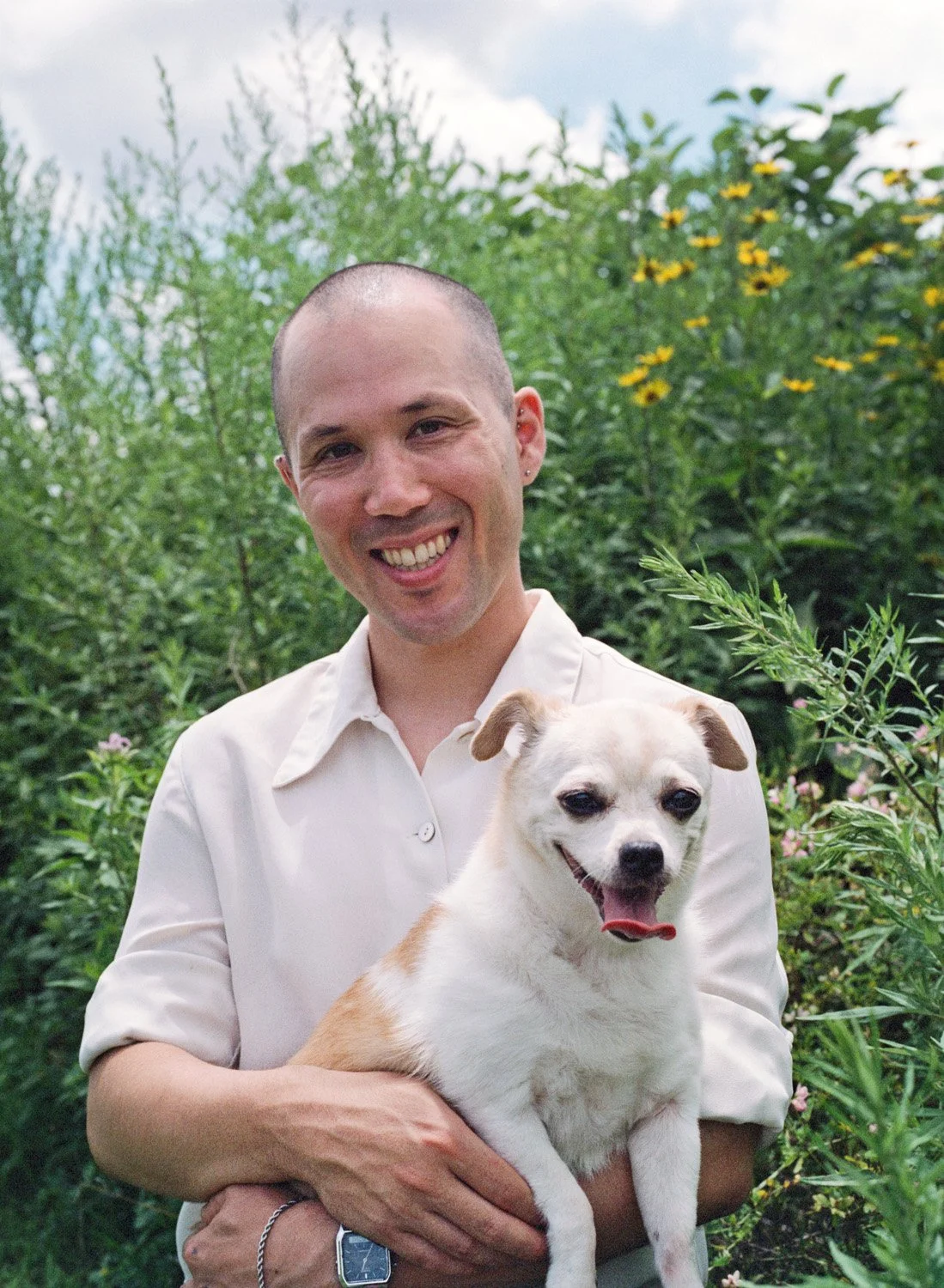
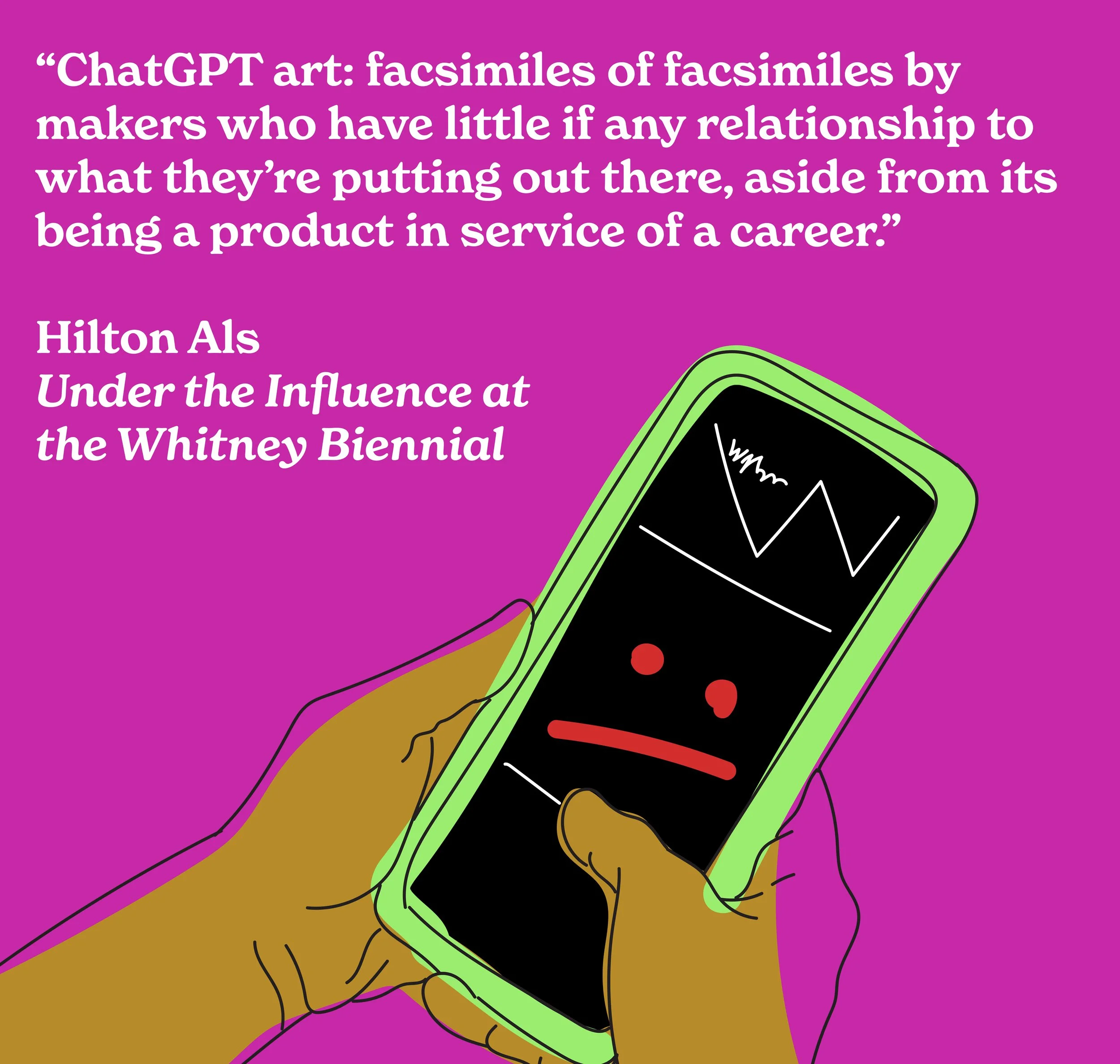
Shortly after the Whitney Biennial opened on March 8, 2026, writer and critic Hilton Als published his review “Under the Influence at the Whitney Biennial” in The New Yorker, deeming the prestigious showcase as being filled with “Chat GPT Art.” The article went viral on art Instagram, being shared widely by popular arts newsletters like Hyperallergic, largely for his labeling of the body of work. Used pejoratively, Als’ coining of the term was his way of saying that the art was merely “facsimiles of facsimiles by makers who have little if any relationship to what they’re putting out there, aside from its being a product in service of a career.” We asked local artist and writer Brent Nakamoto about Als’ review, AI’s place in art, and how we can move forward.
“[Working with The Art Supply Co.] was collaborative in the best way and structured in the best way. At first we weren’t sure what the structure would look like on our project but the timeline, structure, and goals set by CDCP and TASC were realistic and helped us achieve our vision. Structure and accountability helped us figure out the bounds, goals, and framework of the project. CDCP also helped us hone in on what was essential versus ‘nice to have’ but not critical. We are so pleased with the product and excited to show it off!”
Cassandra Masters
Project Manager, Age-Friendly PGH
Client Testimonial:
Cassandra Masters at
Age-Friendly PGH
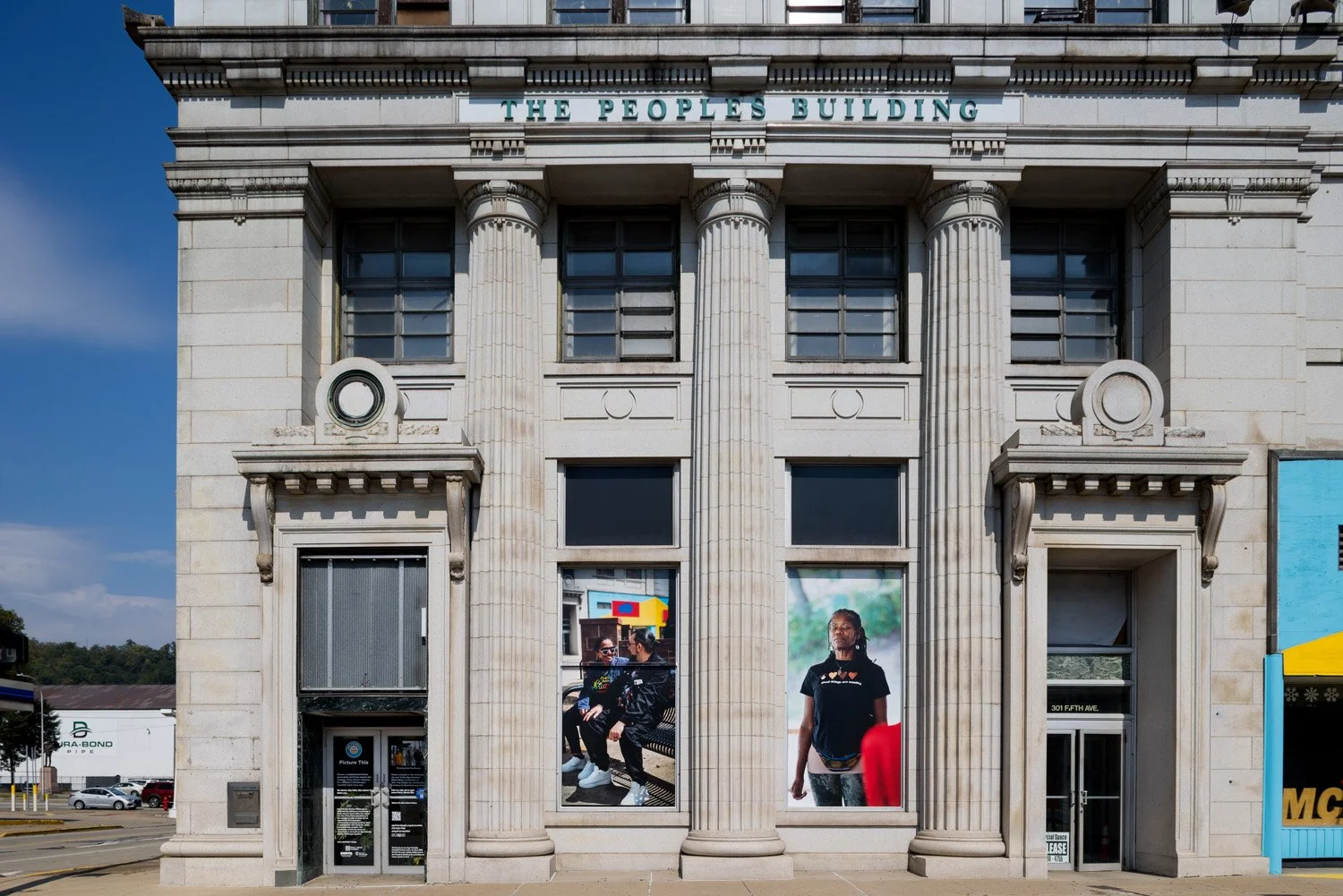
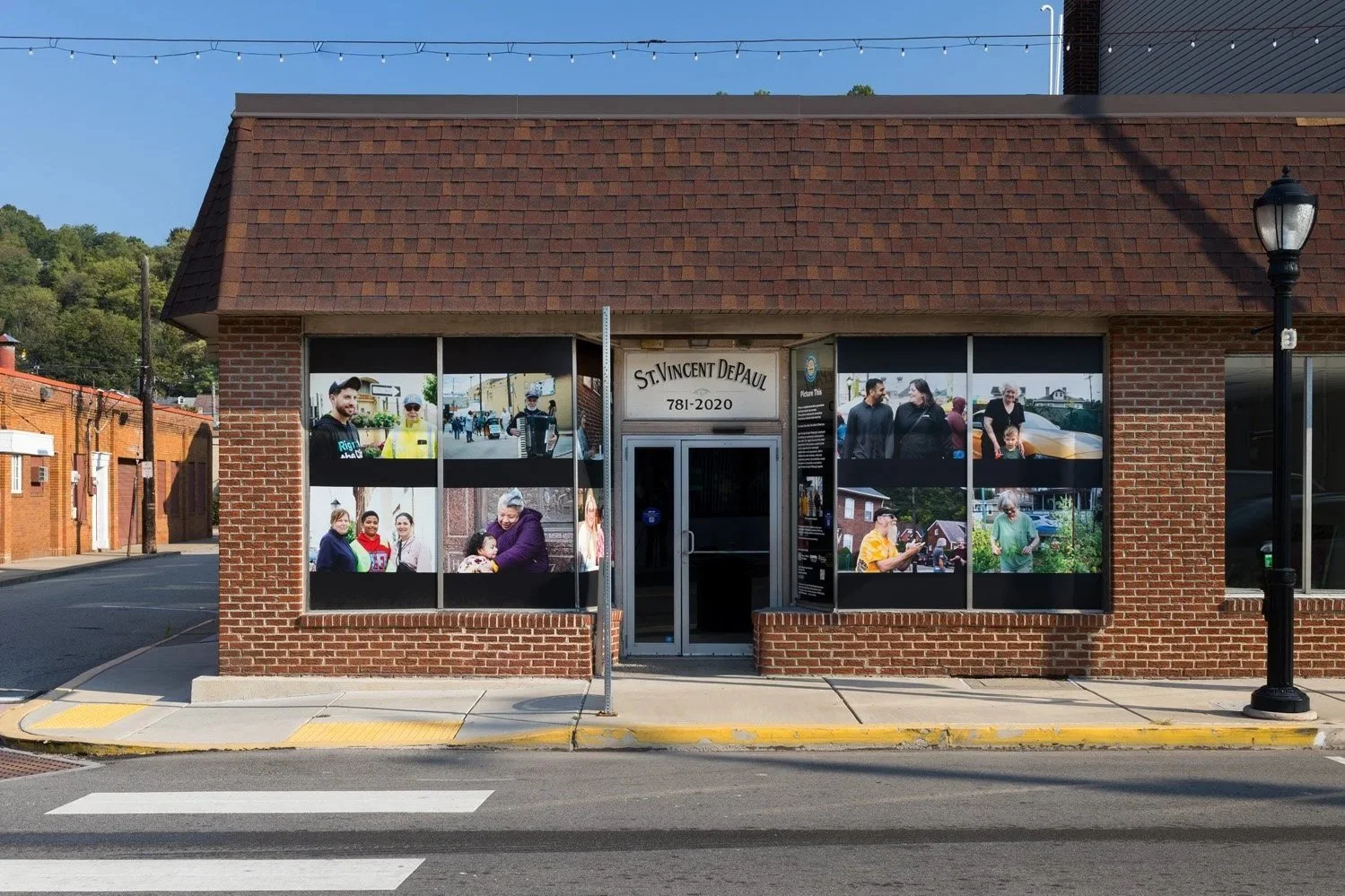
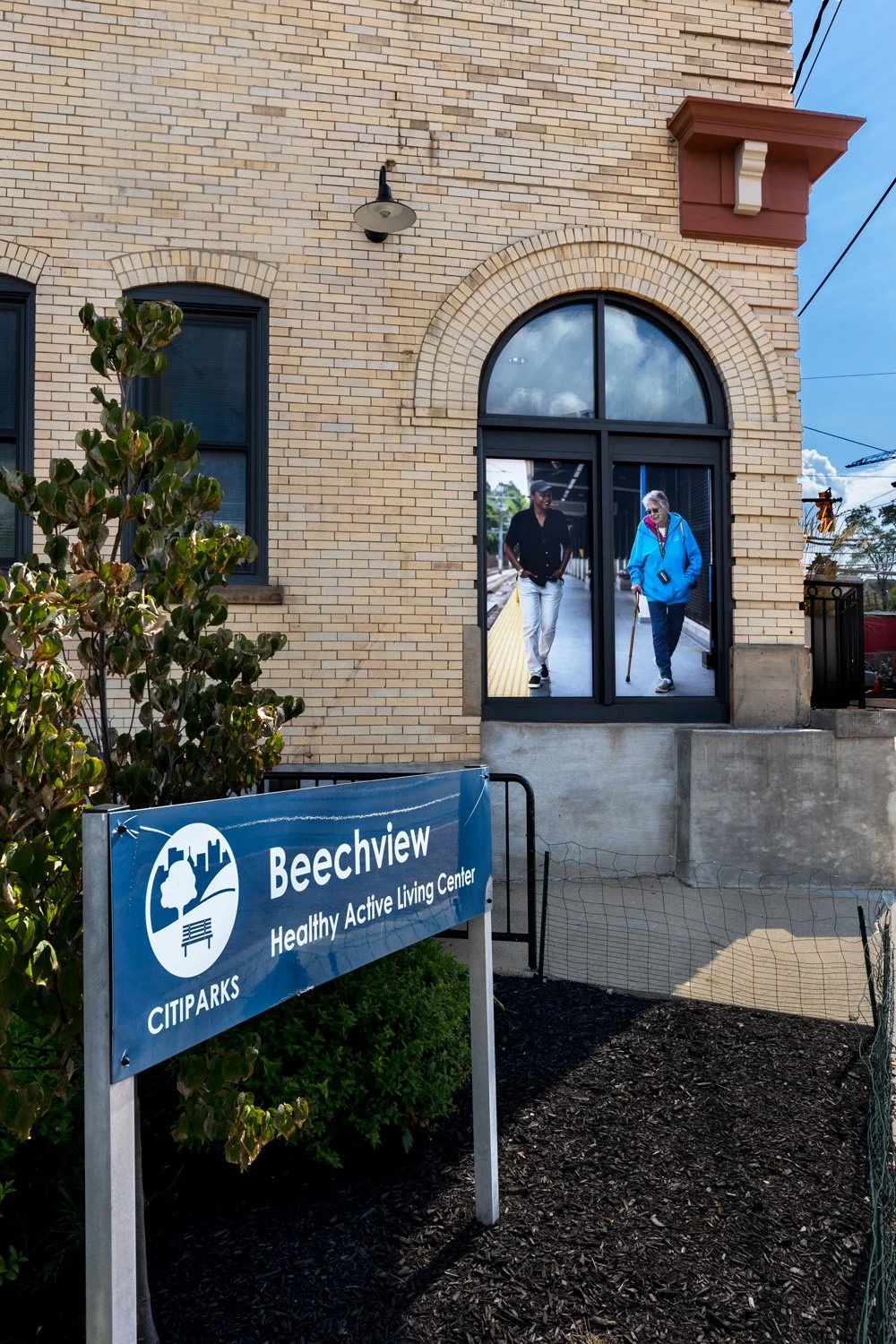
Top: Ishara Henry, Photo installation. Photo: Sean Carroll
Middle: Ishara Henry (left) and Martha Rial (right), Photo installation. Photo: Sean Carroll
Bottom: Nate Smallwood, Photo installation. Photo: Sean Carroll
What are your feelings about AI in the arts? Do you feel pressure to use this technology, or can we continue without it?
We reached out to two arts stakeholders in our region and asked them how they feel about AI within the arts industry. Despite the many ethical and legal downsides to artificial intelligence, its use is becoming increasingly commonplace in our society, begging the question of whether or not we as artists can continue thriving without it. Get some insight from these three arts leaders.
“We can always continue without it. 'AI' is broadly entrenched but that can't be mistaken for being inevitable. An art practice responds to the unpredictability of your life, the technodeterminism of AI marketing assumes we know the future.”
Harrison Apple, PhD
Associate Director
Frank-Ratchye STUDIO for Creative Inquiry at
Carnegie Mellon University
“I am staunchly against AI use in the arts. I'm all for measures that reduce the barrier to entry for fine art and writing, but I think when the thing providing that access is a tool that is almost always environmentally unsustainable, backed by shady-at-best politicians, and trained on stolen work, there is no way to use these tools ethically. We can and should pop the AI bubble and persevere without them."
nat raum
Artist, Writer, and Editor-in-Chief
fifth wheel press