The Journal
〰️
The Journal 〰️
Fall 2022 | Vol. 1 / Issue 2
Director’s Note
Through the summer and early fall, we hosted a small series of events to help introduce our clients and collaborators to The Art Supply Co. At each event we asked an artist or two to join in and share their work in a brief, five-minute talk. This was a throwback to SIX x ATE, an art lecture and dinner series that became one of the founding programs behind Casey Droege Cultural Productions. I ran SIX x ATE for ten years, roving from sites around Pittsburgh to Cleveland and even Fresno. Each event invited the audience to enjoy five-minute presentations from six artists and a meal from one cuisinier. There were no formal Q & As or long-winded introductions, so guests spent most of the evening talking informally while eating and drinking.
I love the five minute lecture format—it keeps things moving, doesn’t force you to sit in a chair for too long, gives everyone an exit if things are going badly, and most importantly, it helps us pare down our ideas to address only the most important. It’s a great way to introduce an audience to an artist and their work, planting a seed that has the potential to grow a relationship organically. If someone in that audience responds well to the work, they can take time to connect with the artist in a genuine way. That connection often leads to wonderful things for the artist—a supporter who might visit their exhibitions, buy their work, or just hype their name to someone else.
Connecting people is second nature to me. When those connections serve artists and the growth of our arts ecosystem, I start to feel butterflies. So I bring that into our work at TASC. Introducing clients to artists is not just about placing a great piece of art on the walls; it’s about sparking excitement for that artwork and the person who made it, encouraging engagement in the arts, and even building confidence in a client’s ability to talk about what they like or don’t like in art. All these things feed into our mission around building the arts economy. A one-time purchase of art does not make an artist’s career or create a foundation for an arts ecosystem, but a person with a connection to art can make a real impact.
I hope you find a connection to explore in this new issue of the Journal.
Casey

Table of Contents
Table of Contents
Artwork We Love: Collage
Find out why TASC loves collage, and learn about some of our favorite collage artists.
Meet Zeal Eva
Eriko Hattori sat down for a brief interview with artist Zeal Eva, who we’ve worked with on numerous projects throughout the years as CDCP.
How to Build Your Own Art Collection
Ready to plunge into the world of collecting art? Get tips and tricks on starting your very own art collect in this listicle.
About a Borough
Read about our collaborative exhibition series with the Wilkinsburg Community Development Corporation.
City Parks and Recreation: Art in Parks
Learn about our recent project management adventure with the City of Pittsburgh for their Art in Parks project.
How does art improve lives in meaningful ways?
Three stakeholders weigh in on how we can have meaning in add value people’s lives in substantial ways.
Testimonial Highlight: The Benter Foundation
Read about Bill Benter’s experience working with CDCP for art consulting at the Benter.
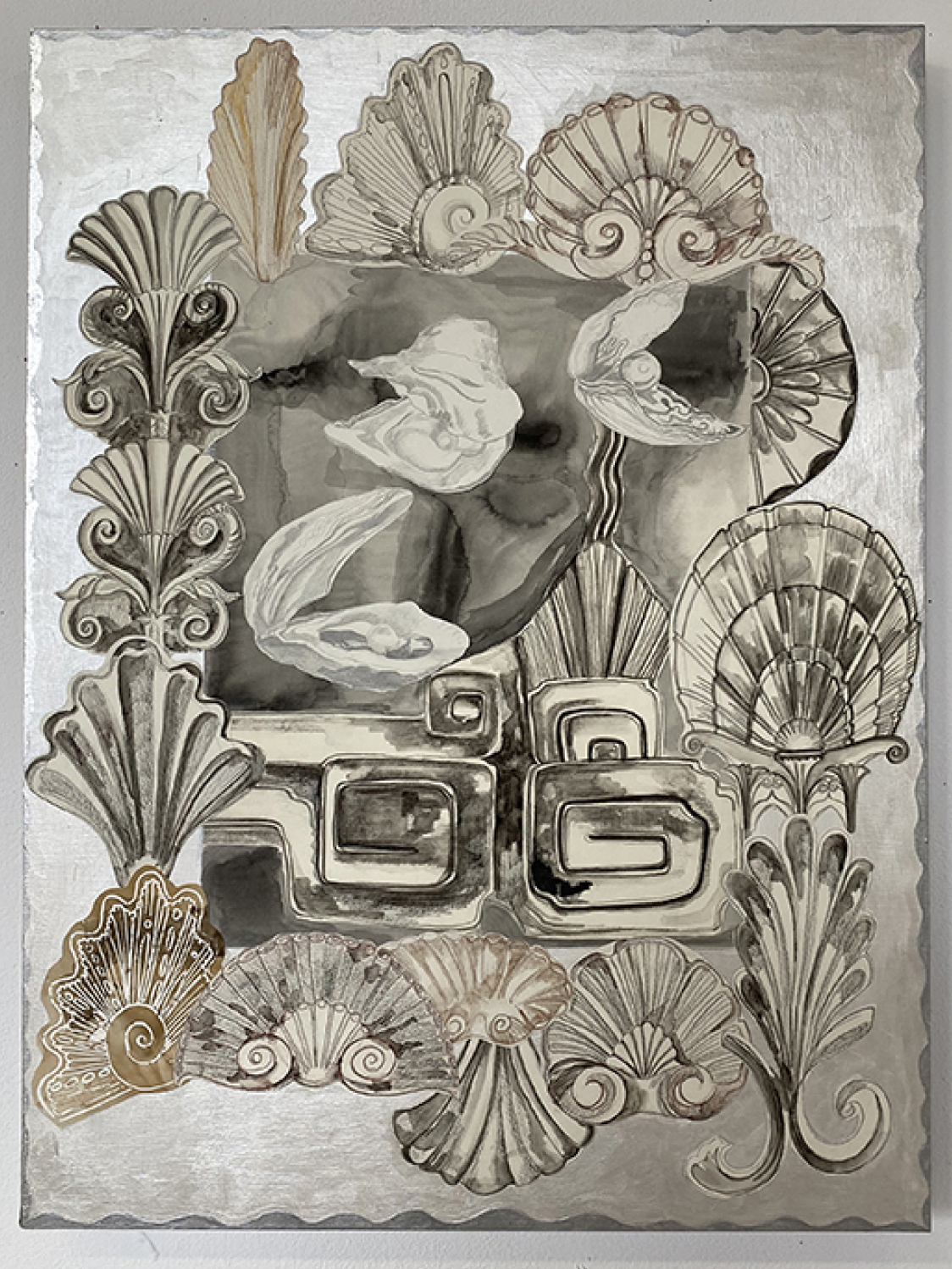
Lauren Braun
Pearls of Wisdom, 2022
Collage, acrylic paint, silver leaf on wood panel
18×24”
Artwork We Love:
Collage Art
by Tara Fay Coleman
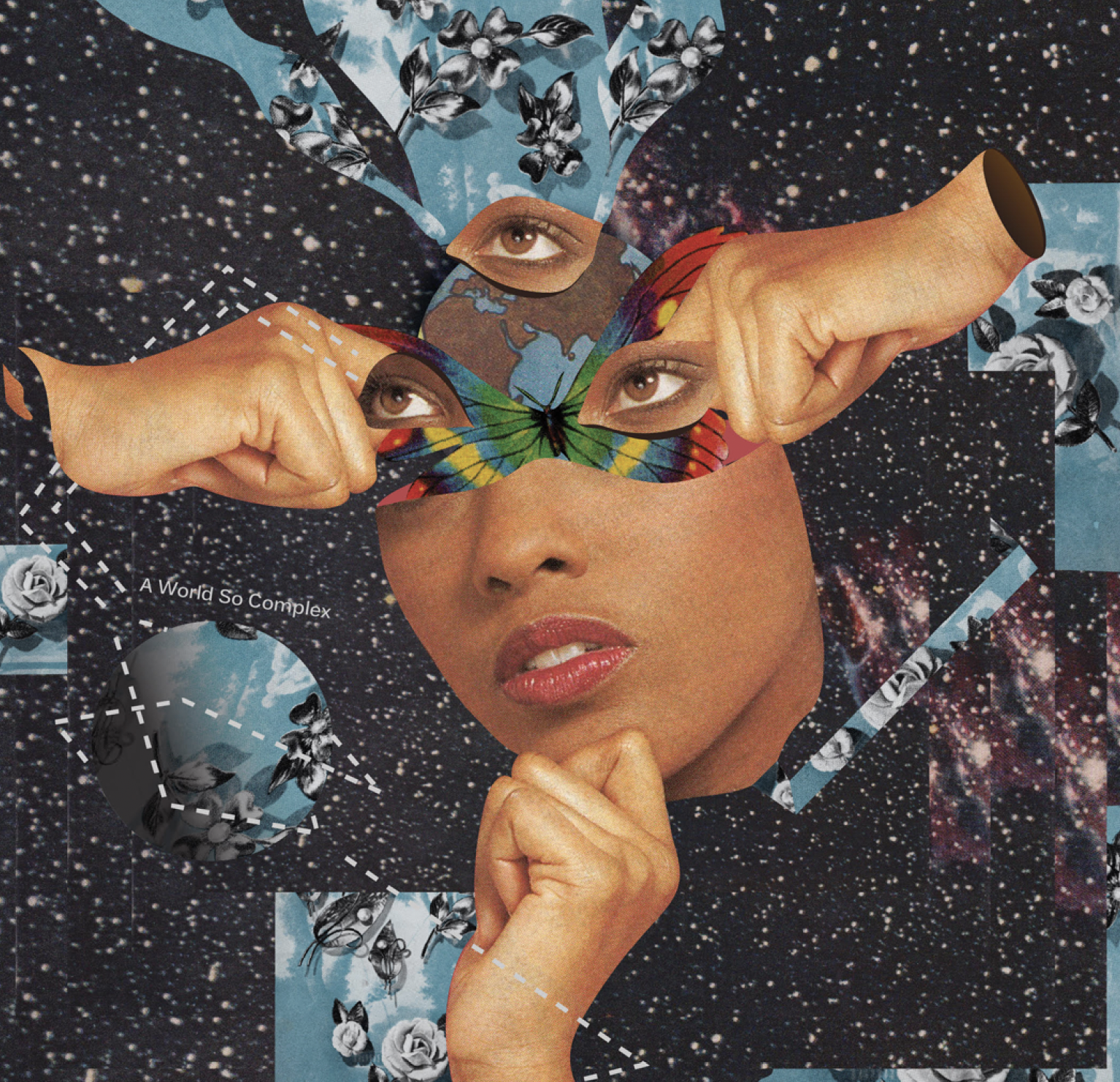
Darrin Milliner
A World Complex (2022)
Digital Collage
12×12”
In our line of work, we’re fortunate to come across artists working in a variety of mediums, and collage is one of our favorites. This particular art form, often referred to as mixed-media, allows for a range of creativity and the space to utilize a combination of elements, including printed material, photos, and found objects. There are multiple types of collage, including hotomontage, fabric collage, découpage, digital collage, and assemblage. The word “collage” comes from the French word “collér,” which means “to glue.” As an art form, it dates back to the early twentieth century, when Cubist artists Pablo Picasso and Georges Braque began gluing material to canvases and other surfaces. Collage heavily influenced other forms of art, including surrealism and pop art, and became a distinctive form within the Modern Art movement. Here are some artists working with re-assembly and collage within their own unique practices.
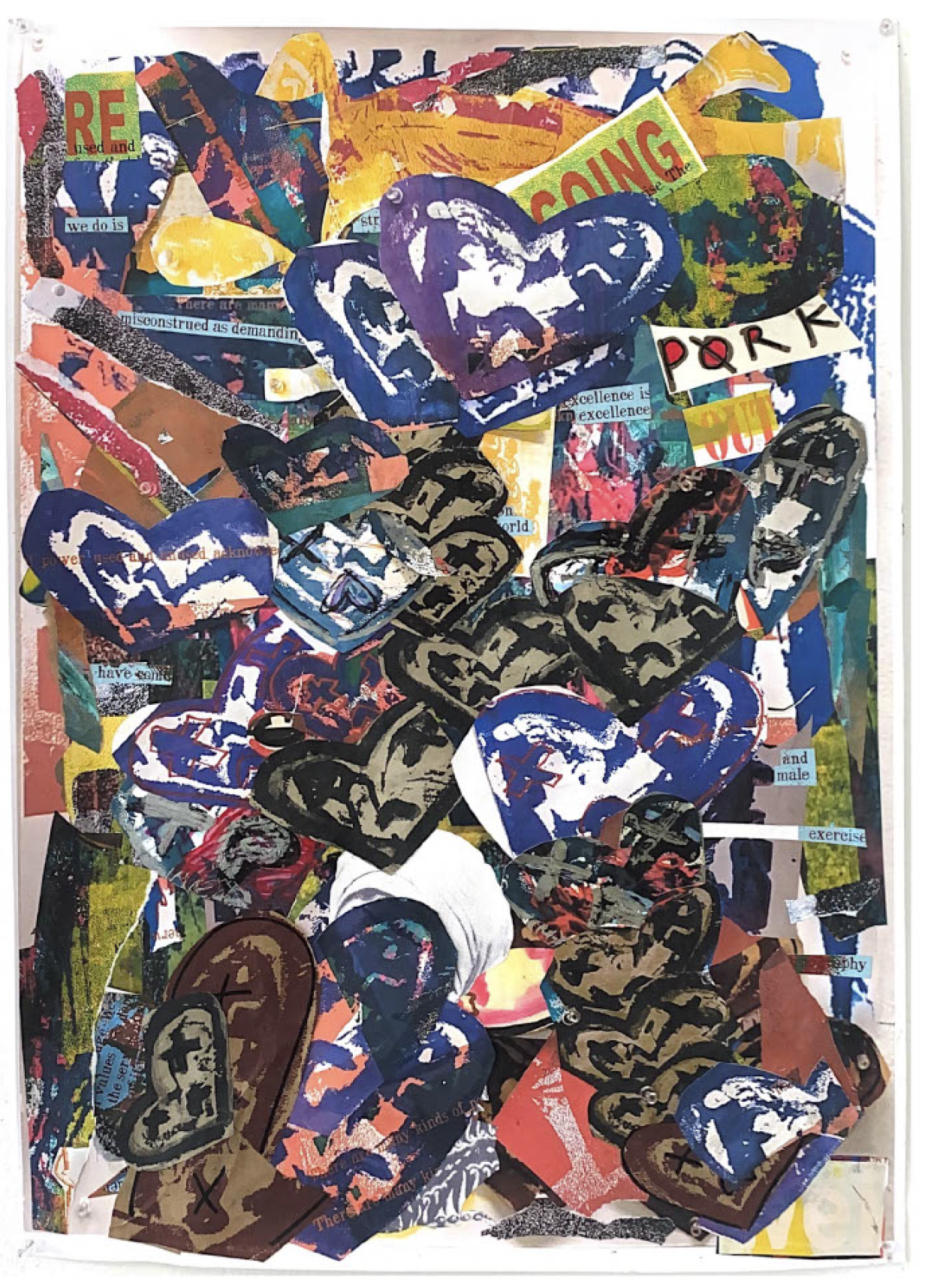
DS Kinsel
Flourishing Love, 2021
Digital Print on Hahnemühle Rag
48.5×64”
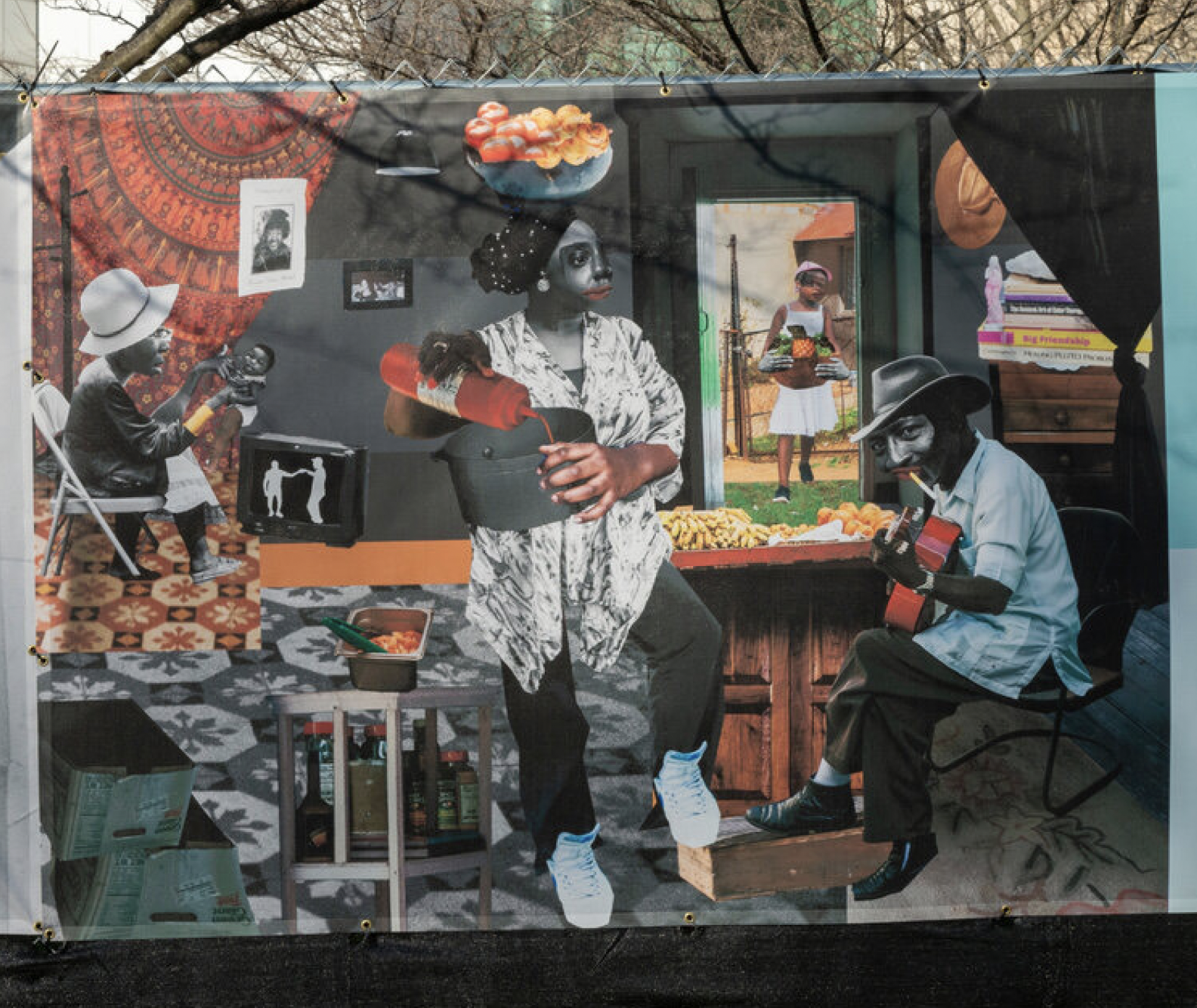
SHAN Wallace
Detail from The Avenue at Baltimore Museum of Art, 2021
Outdoor Installation of five murals
Image courtesy of artist

Meet Zeal Eva
We recently reached out to artist Zeal Eva for an interview to hear directly about what makes her tick and spark as an artist.
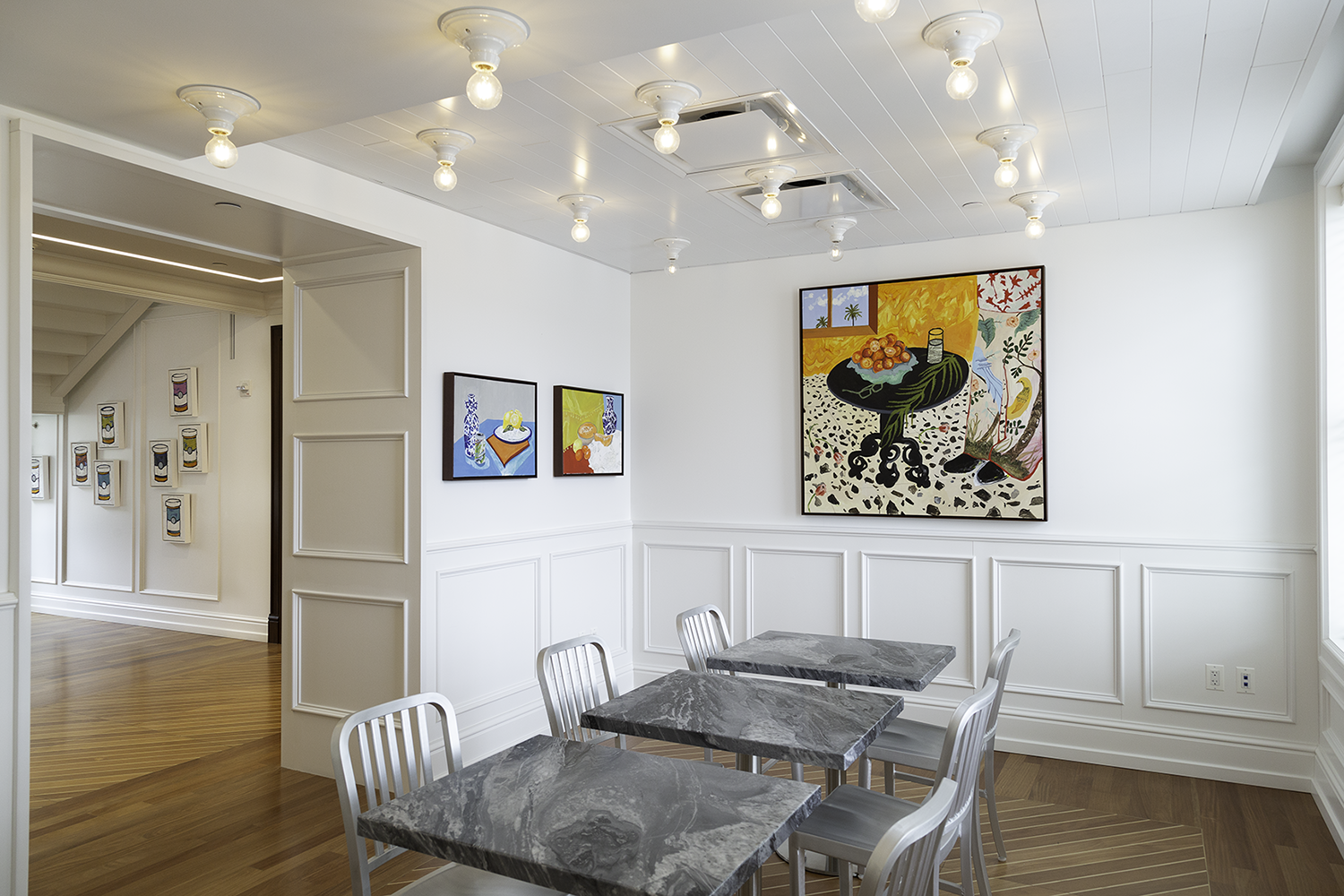
As CDCP, we’ve worked with Zeal across many programs like PGH Photo Fair and have sold her work at former concept store Small Mall. We’re looking forward to working with her more at TASC!
How to Buy Art and Keep it Affordable
By Tara Fay Coleman
Starting your art collecting journey doesn’t have to be intimidating!
1. Have a realistic budget.
2. Consider quality, not quantity.
3. Look for works that are meaningful, impactful, or spark joy.
4.Educate yourself on different art forms so you can find a style that appeals to you.
5. Connect with artists you like in order to stay up to date on the availability and cost of their work.
6. Consider hiring an art consultant! Consultants advise their clients and specialize in researching and commissioning art. Here at TASC, we do all that and more, so consider our services for your art procurement.
About a Borough
By Eriko Hattori
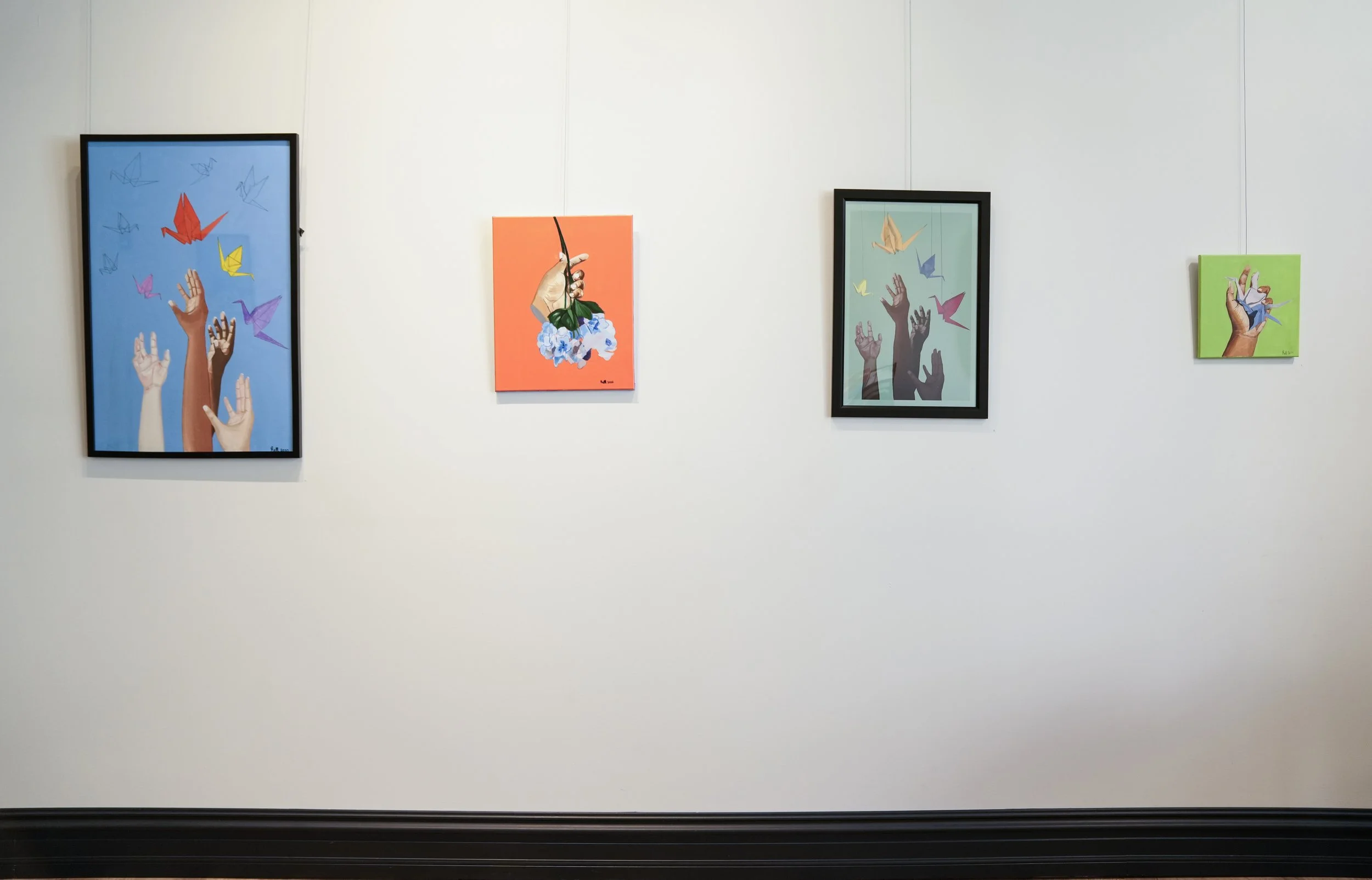
Back in 2020, CDCP began talking with the Wilkinsburg Community Development Corporation (WCDC) about hosting a series of solo exhibitions.
The mission was simple: to uplift Wilkinsburg and showcase the talent of artists in the region who have connections to the borough. As a part of their Art All Over Program, WCDC had an idea to transform the workshop space in their newly renovated headquarters, located in the historic Lohr Building, into a gallery-level display space for local Wilkinsburg artists. Two years later, CDCP and WCDC have hosted six solo exhibitions in their new Lohr Gallery, and are looking forward to keeping this series going.
City Parks and Recreation: Art in Pittsburgh Parks
By Hannah Turpin
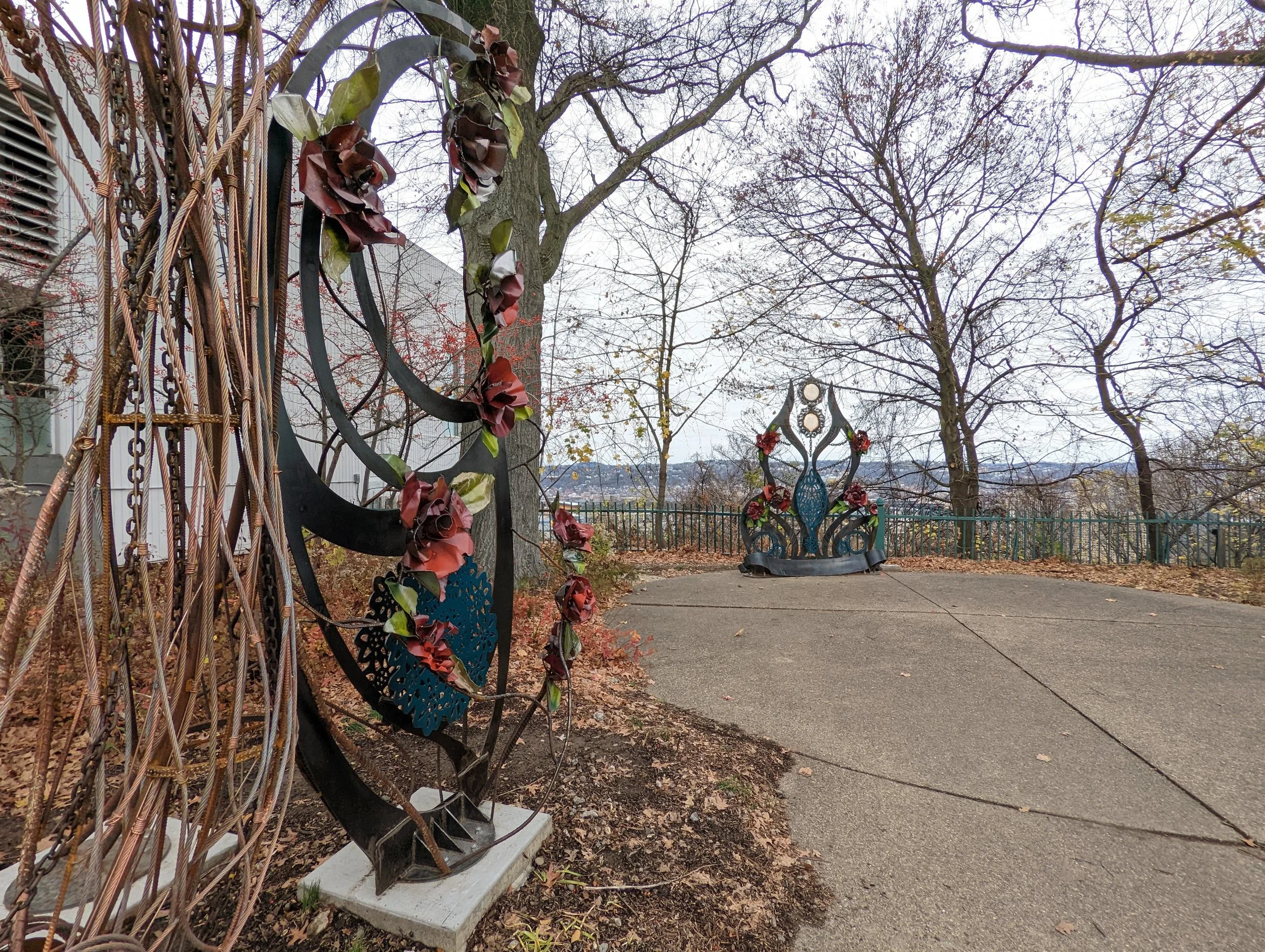
Public art presents an opportunity for individuals to immerse themselves in art during their everyday routines. It heightens art’s accessibility within different communities, fulfilling the ideal that art truly is for everyone and something we all can experience and enjoy. Instead of being preserved and protected within the walls of an institution, public art invites people to directly engage with it, inviting play and conversation.
How does art improve the lives of people in concrete and meaningful ways?
TASC is all about showing the public how art can make positive impacts in people’s lives in various ways. We reached out to three stakeholders across the country and asked them how art contributes to improving lives in substantial ways.
“Someone once described a museum as a safe place to discuss dangerous ideas. I attribute the same characteristics to art itself. I have long appreciated the ability of art to broach difficult topics and to get me to understand viewpoints and cultures different from my own. In our fractious world, there is an immense need for more widespread, and deeper, mutual understanding.
Yet there is another side to art. It can evoke a pure aesthetic response, one rooted in vision but which can spread to other senses and engage the emotions. You can float in the blues of Monet’s water lily ponds or soar on the gusts of pigment in a Joan Mitchell painting. Seeing the Mona Lisa or any favorite painting offers the pleasure of seeing an old friend; it is reaffirming and comforting. Matisse famously described dreaming of “an art of balance, of purity and serenity . . . which could be . . . a soothing, calming influence on the mind, something like a good armchair which provides relaxation from physical fatigue.” After the past few years of pandemic and pandemonium, some of us need that rest, relief, and joy.”
Barbara Tannenbaum
Chair, Department of Prints, Drawings, and Photographs, and Curator of Photography
The Cleveland Museum of Art, Cleveland, Ohio
“Art creates conversations. One of the best is when a guest in your home sees something on the wall that catches their eye and asks, “Can you tell me more about that?” It offers an opportunity to talk about the work, the artist—and for your guest to get to know you better.”
Todd Tubris | Director, Art Museum of West Virginia University
“Art exists everywhere and greatly influences how we behave. think, and feel about the world around us. While the experience with art is entirely subjective and open to each individual’s interpretation, I believe the unifying impact is the ability for artworks to introduce us to unique and diverse perspectives. In my roles as Director and Curator at WAsserman Projects - Detroit, I am constantly reminded of the powerful ways in which art brings people together and inspires meaningful connections with one another.”
Alison Wong | Artist, Curator, Educator
“We live in a world where both nationality and irrationality can make us feel alienated. Art offers the important reminder that there are many different ways of understanding the world and being in it, and no single correct one. And, especially in a work of art and which one connects, there’s a trace of the artist’s unique consciousness and subjectivity that reminds us to honor our own. In this way, art makes us feel both less lonely and less helpless. Living with art, or revisiting a beloved work of art, allows us to enjoy ongoing relationships with ideas, feelings, and to relect on our own sense of ouselves.”
Leo Hsu | Interim Executive Director, Silver Eye Center for Photography

“When we renovated our offices, we wanted to highlight the historic quality of Pittsburgh-made work. We featured local suppliers and craftspeople whenever possible. Casey Droege Cultural Productions connected us with many diverse local artists, most of whom were new to us. In the process, we’ve developed a strong partnership and a growing collection of regional art. It's a treat to introduce visitors to this creative work on site or through the catalogue CDCP developed. By supporting emerging and established artists, and the entrepreneurial work of CDCP, the collection extends The Benter Foundation’s goal of helping to make Pittsburgh even more livable.”
Bill Benter, President, The Benter Foundation